
The Northeast United States was — and still is — the gold standard of residential design and construction from the late 1800s through the early 1900s. That unmatched quality didn't happen by accident. It came from the hands of master European artisans who immigrated here already seasoned in their trades. These men didn't just build — they trained generations of American craftsmen across every discipline of residential and government construction. Then, starting in the 1950s, that chain of knowledge broke. The decades that followed were simply not structured around artisans teaching the next generation of artisans. There are a few rare exceptions — but they are exactly that: rare.
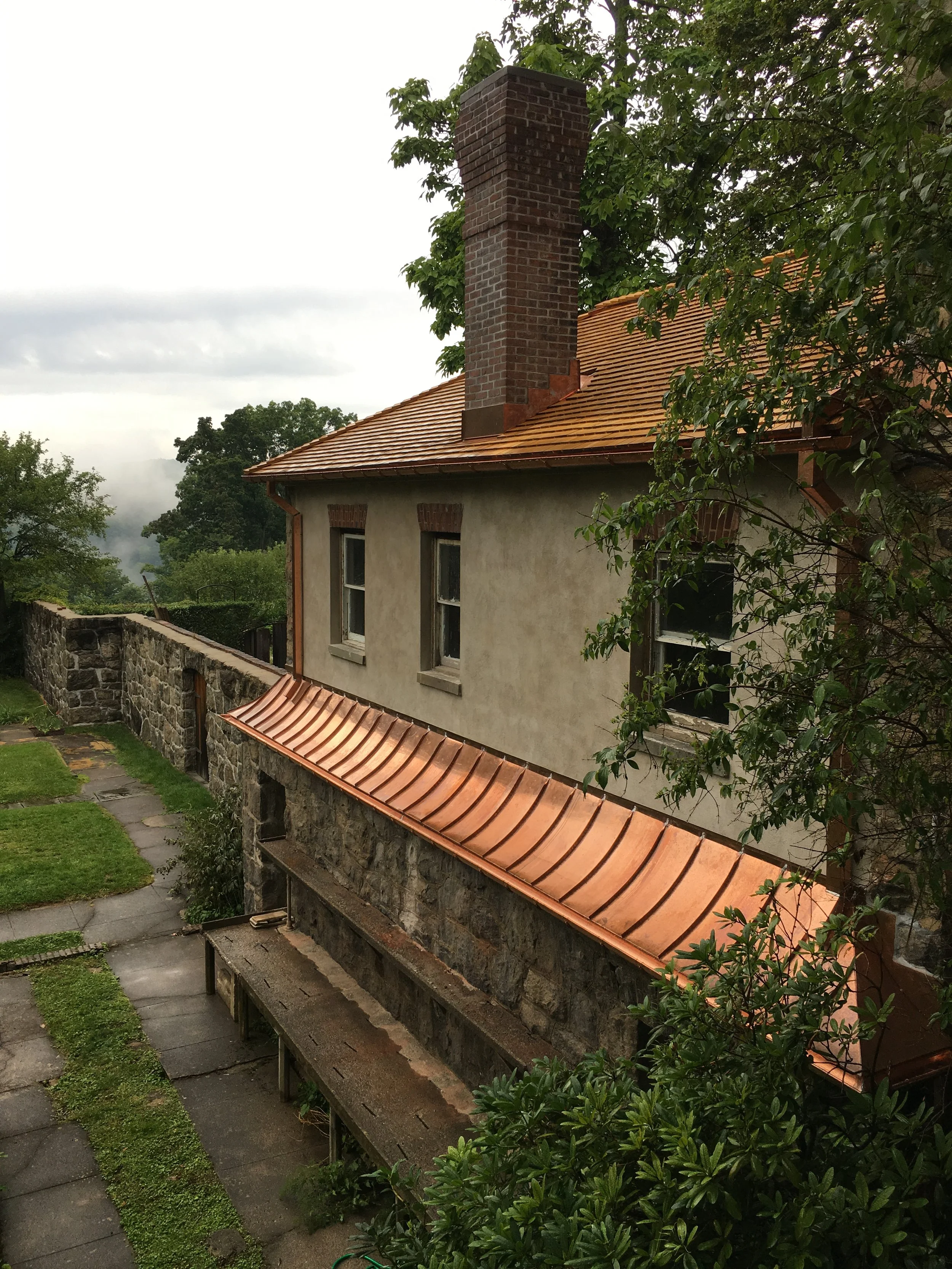
Here's the problem most homeowners never see coming. If today's contractors were never trained to these historic standards, how can they possibly restore work that is far more demanding than building from scratch? Yet somehow, everyone claims to be an expert. This is not new construction. It is the delicate commingling of modern materials with the original work of European artisans built 80 to 140 years ago — surgery on living, breathing historic structures. And that's where the real deficiency shows up, especially on the exterior building envelope.
It always starts at the foundation. Concrete, stone, and masonry support the finishes that keep weather, vermin, and moisture out of your home for another century or more. The finishes that cause the greatest damage when done wrong are the ones that demand true specialty craftsmanship: historic brick and mortar, traditional stucco, slate roofing, copper roofing, custom flashings and gutters, ornate façades, limestone, terracotta, and stone chimneys. These are the artisanal disciplines that have largely been lost.
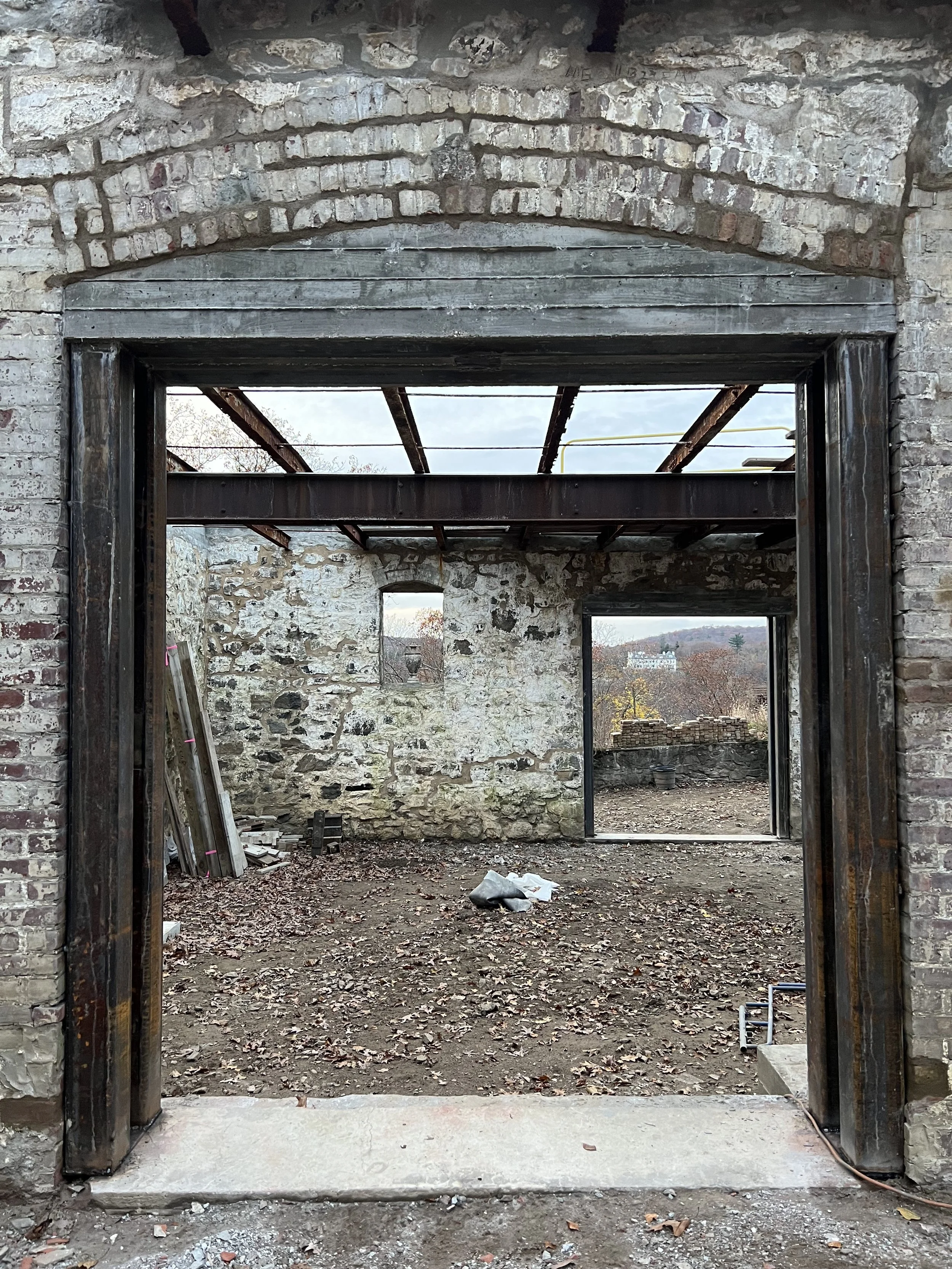
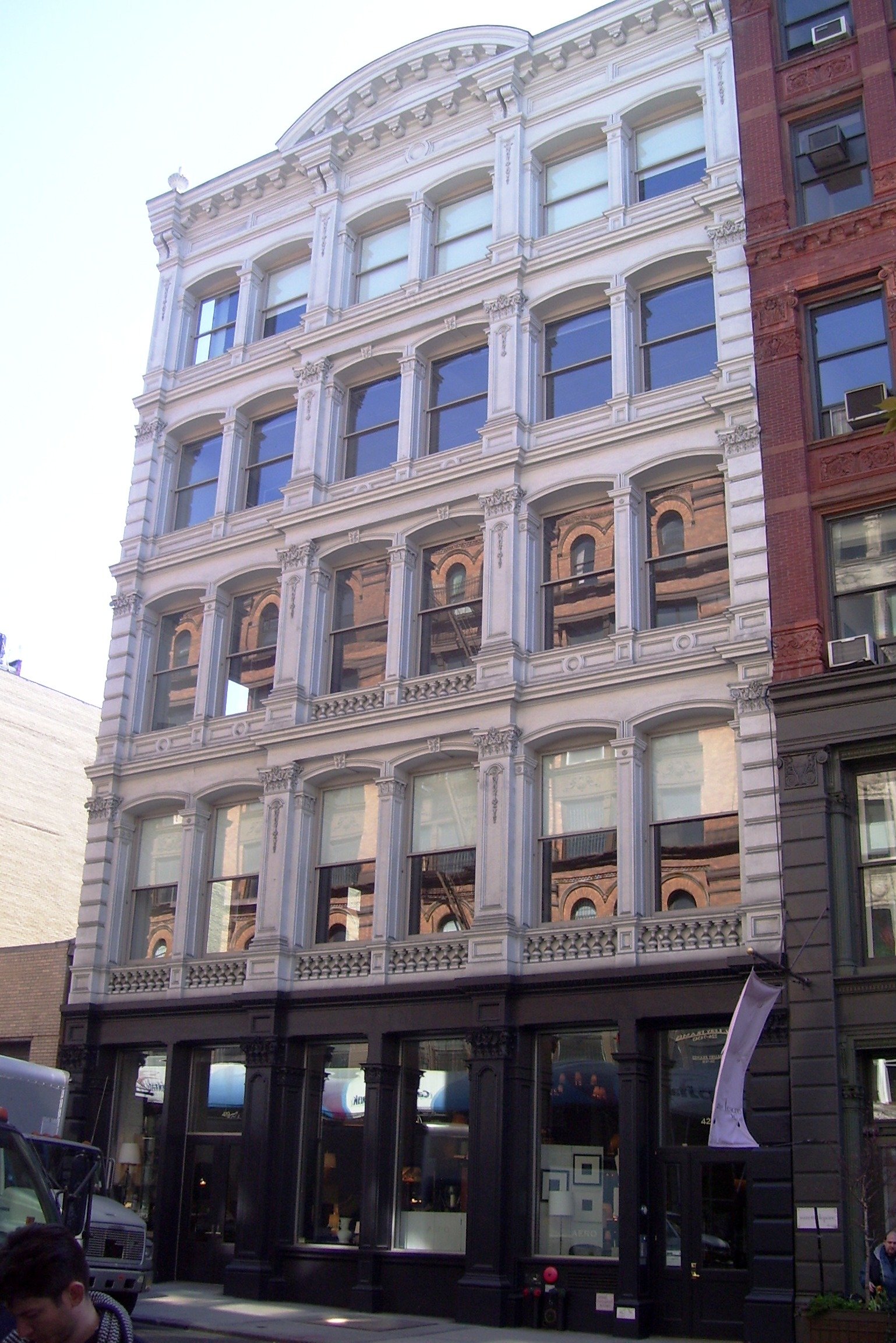
Companies that are fully vertically integrated, handling every discipline in-house, are rarer still. There are fewer than three organizations in the entire United States capable of completely restoring a structure on the scale of St. Patrick's Cathedral or a major government building using their own teams across all trades. Your historic home has incredible bones — built to stand the test of time, if they are maintained, restored, and preserved the right way. Done correctly, these homes don't just survive. They thrive for another hundred years, with tested modern techniques applied only where they make sense. A Historic homes can actually be trickier, depending on the region and what's been hidden beneath decades of previous work.
That's why we still do this the European way — the right way — with the depth of knowledge and vertical control these properties demand. If you own a historic home in the Northeast with slate roofs, copper work, masonry, or other specialty exterior elements, you already understand how difficult it is to find the right team. The good news: that team exists.
